Latest
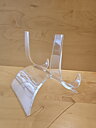
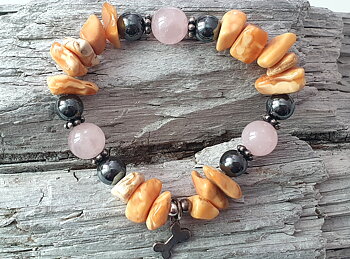
500 SEK per Pack of 5
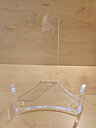
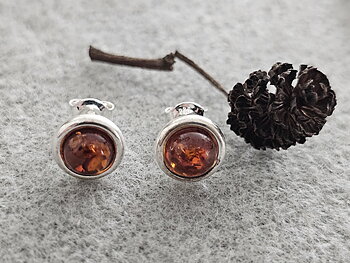
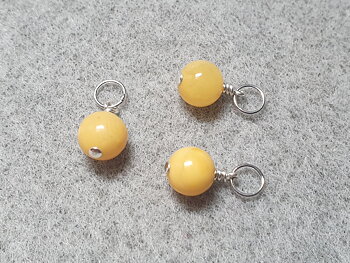
240 SEK per Set of 3
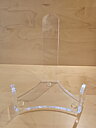
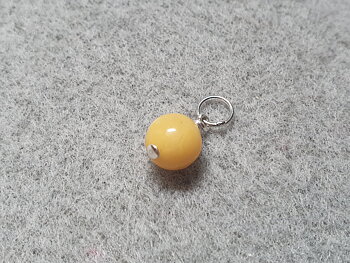
110 SEK per PC
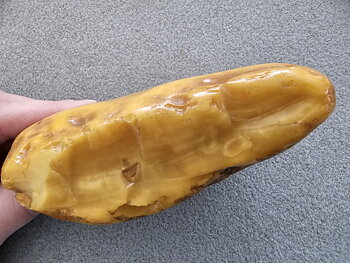
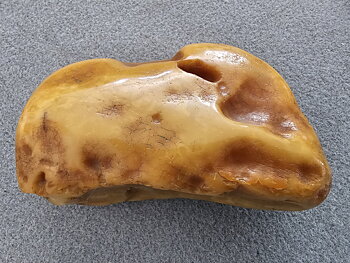
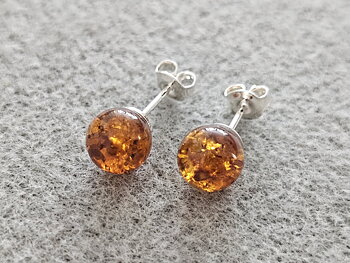
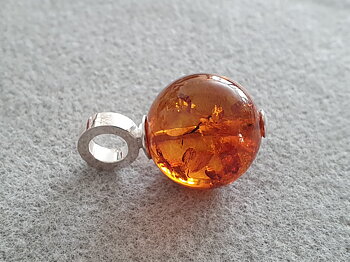
Amber is solidified resin and is one of the organic gemstones. Amber from the Baltic Sea area is approx. 30-50 million years old and comes from coniferous trees of the genera Pinus and Araucaria. Northern Europe had at this time (early Tertiary) subtropical climate. The ice ages in the north that occurred after this time have meant that deposits from this time / amber, are found mainly in the more southern Baltic Sea area. Baltic amber contains succinite.
When studying the solidified drops and formations the amber solidified in, it can be seen that the trees / pines had easily flowing resin. Insects and plant parts that are stuck and can be found encapsulated are exclusive and can command very high prices. Even unusual formations of raw amber are sought after by collectors.
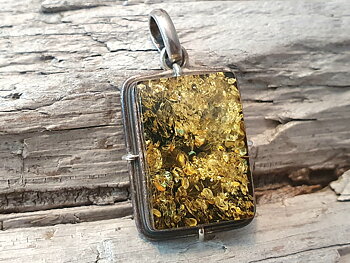
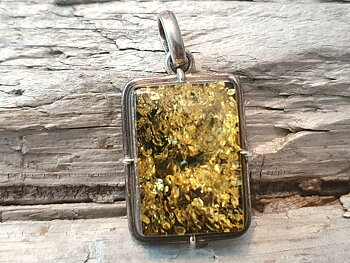
Amber floats in salt water and this means that you can find amber on the beaches around the Baltic Sea. Amber becomes statically charged if you rub it against e.g. wool. The Greek word for amber is electron. Opaque amber (white/yellow) contains microscopically small air bubbles. When heated, a treatment for making amber transparent, air bubbles can burst and form sun-like circles. Green amber is said to be made by heating raw amber in some way and then grinding it by keeping one side raw. Green amber does not occur naturally. You can find many other types of amber on earth. The age can vary between 1-300 million. year. A younger fossilized resin is called copal. To be called amber, the fossilized resin must be at least 1 million years old. The Baltic amber, which is called Baltic amber (Baltic sea = The Baltic sea), is world-renowned in jewelry manufacturing and high quality.
In older times around the Baltic Sea, amber was considered to possess magical powers and protect against, among other things, witchcraft.
When studying the solidified drops and formations the amber solidified in, it can be seen that the trees / pines had easily flowing resin. Insects and plant parts that are stuck and can be found encapsulated are exclusive and can command very high prices. Even unusual formations of raw amber are sought after by collectors.
Amber floats in salt water and this means that you can find amber on the beaches around the Baltic Sea. Amber becomes statically charged if you rub it against e.g. wool. The Greek word for amber is electron. Opaque amber (white/yellow) contains microscopically small air bubbles. When heated, a treatment for making amber transparent, air bubbles can burst and form sun-like circles. Green amber is said to be made by heating raw amber in some way and then grinding it by keeping one side raw. Green amber does not occur naturally. You can find many other types of amber on earth. The age can vary between 1-300 million. year. A younger fossilized resin is called copal. To be called amber, the fossilized resin must be at least 1 million years old. The Baltic amber, which is called Baltic amber (Baltic sea = The Baltic sea), is world-renowned in jewelry manufacturing and high quality.
In older times around the Baltic Sea, amber was considered to possess magical powers and protect against, among other things, witchcraft.